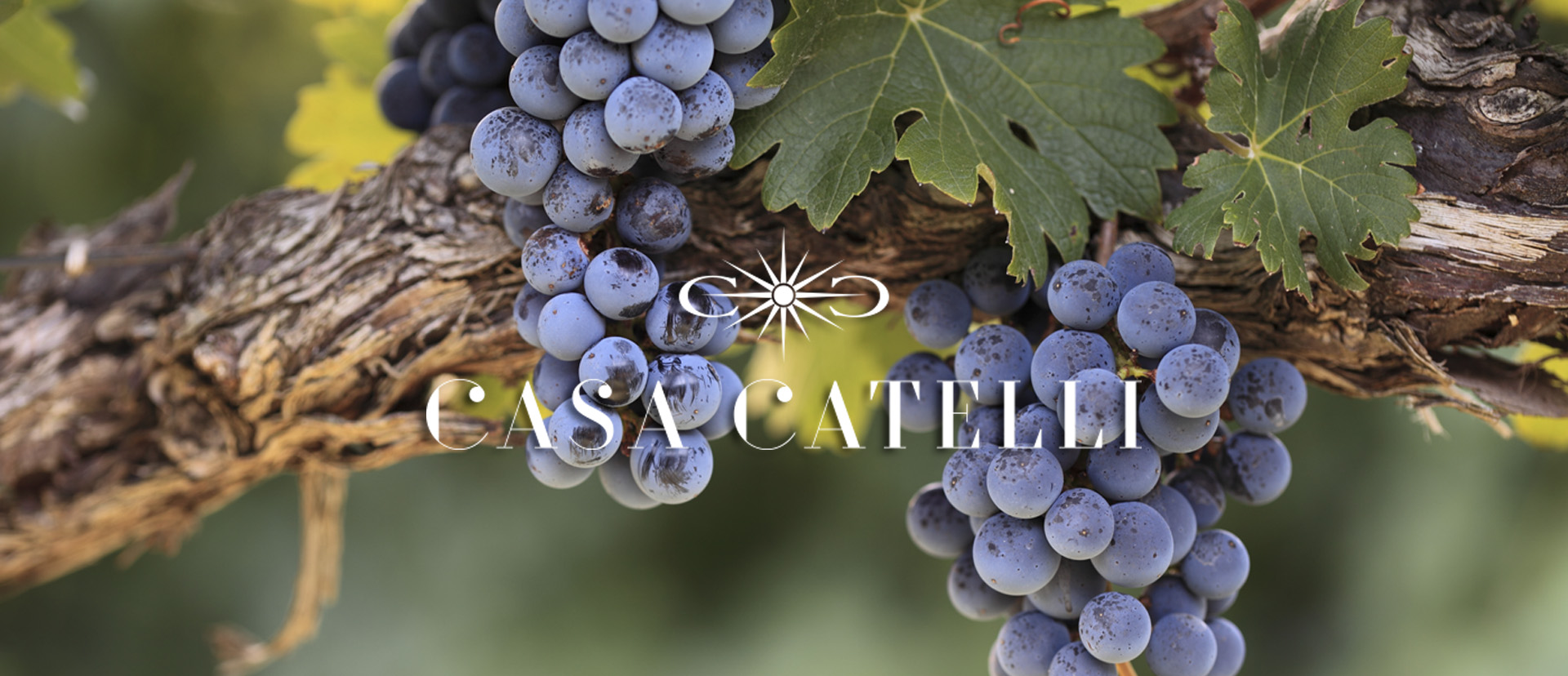
About Negroamaro: Negroamaro is an ancient variety, which has dominated the vineyards of the southern part of Apulia since the 6th century BC. The name comes from dialect, meaning black-bitter, although it doesn't taste bitter at all. About 37,000 hectares (92,000 acres) of vineyards are planted with Negroamaro in Apulia. Growers like it because it is resistant to draught and diseases and is capable of producing a considerable quality of wine. In all of Apulia however, Negroamaro performs the best in the Salento region, spanning from Taranto to Brindisi to Lecce up to the eastern city of Otranto. It's generally blended with Malvasia Nera, Sangiovese and Montepulciano. It can best express on its own, and can be a great rival of the better know Primitivo.
Varietal: Negroamaro 100%
Vineyard Areas: northern Salento region.
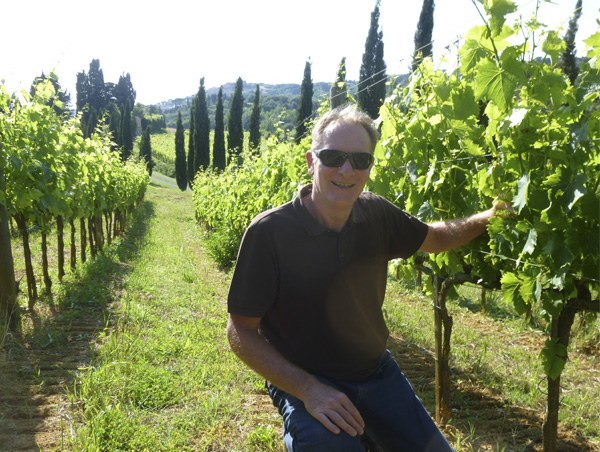
Training system: Alberello method, vines are on average fourty years old.
Vine density: 4,500 per hectare (1,870 per acre).
Yield of grapes in wine: 58 Hl/Ha (Ton. 2.7 per acre).
Soil: chalk clay and tufo (a rock type).
Harvest: late September.
Wine-making: after de-stemming the grapes are not crushed, so the berries remain intact, assuring softer tannins and greater colour extraction. Selected yeasts are added, and the fermentation starts at a controlled temperature of 22-25° C (70-75° F) for about ten days. The wine is left in contact with the skin for about other ten days, after which it's racked. Then the selected bacteria are added and the malolactic fermentation takes place, which lasts about six days.
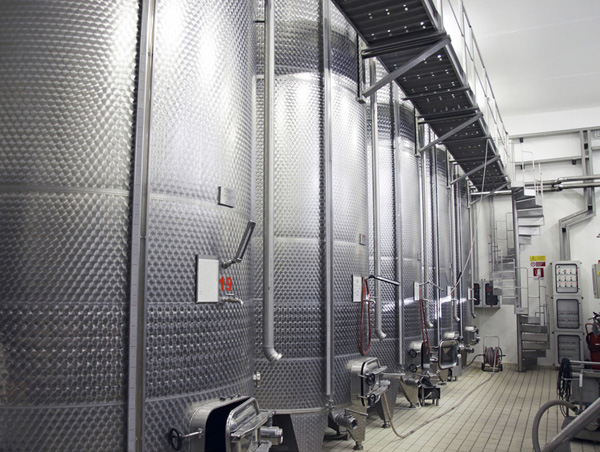
Aging: about a third of the wine is aged in two year old, small French barrique for four months and the remaining in stainless steel tanks. Then for three months in the bottle. The wine is then slightly filtered and separated from the residual yeasts and sediments, before bottling.
Alcohol: 13.5%
Winemaker's note: Negroamaro colour is deep ruby, almost black and soft and smooth on the palate. It is very fruity with hints of jam, wild fruit, dry prunes and black pepper. This wine has extraordinary balance and harmony.
Food Pairing: a fine match for spicy pasta dishes, lamb, chops or grilled hamburgers and Indian cuisine.
Serving temperature: 18°-20° C (64°- 68°F)
Glass type: balloon
|